|
Stickers and Stamps
|
||
|
|
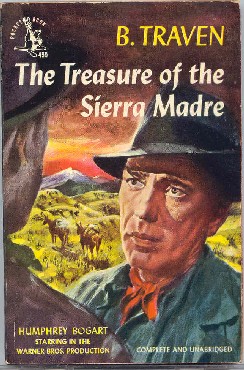
There were many people in early publishing houses that influenced the books' covers; but by far, the folks with the most influence belonged to the Sales Department. In the top line of covers above, all are first printings. Once a cover had been printed and attached to a book, the company's only options for increasing the cover price were a dust jacket or a sticker. The sticker was obviously the less expensive choice, but it must have taken a pretty substantial number of man-hours to cover each book's price. Signet D1550 is a really interesting book. First, a Signet sticker raises the price from 50¢ to 60¢. Next, it sports a second sticker making it "Complements of The Committee for the Release Robert Stroud," (aka "The Birdman"). Why would they bump the price for a group that intends to make the books complementary? The last two examples show how quickly Sales Departments react to market moods. Once again, both the Signets are stated first printings. Jones' earlier works were best sellers, but Signet obviously chose to seize on the opportunity of touting his most recently published work, instead. While the scan fails to show it, the tape they used is translucent, and the printing underneath shows through. The second Pocket Book is a 4th printing. The movie had obviously done well at the box office.
The first image of Pocket Book #455 (1st printing) was contributed by Moe Wadle.
AND ... please consider this email from bookseller Ron Webber: Many books
imported and sold in Canada had a publisher's sticker with a higher price
covering the US cover price because of the difference of the value in the
currencies, the Canadian dollar valued at various times as much as 25% lower
than the US dollar. Also, alternatively and most often, the part of the print
run destined for sale in Canada had the higher Canadian price printed right on
the cover (no US price at all). I would guess that the sticker was used for
titles when only a few copies were exported to Canada so not warranting the
extra expense of a different cover printing. In more recent years it has become
common for the cover to be printed with both prices (which continues today even
those both currencies are about equal). In the 50 years I have been selling
books I have seen these variations thousands of times. Hope this information is
at least a little bit helpful. |
|

.jpg)






_Prom.jpg)